
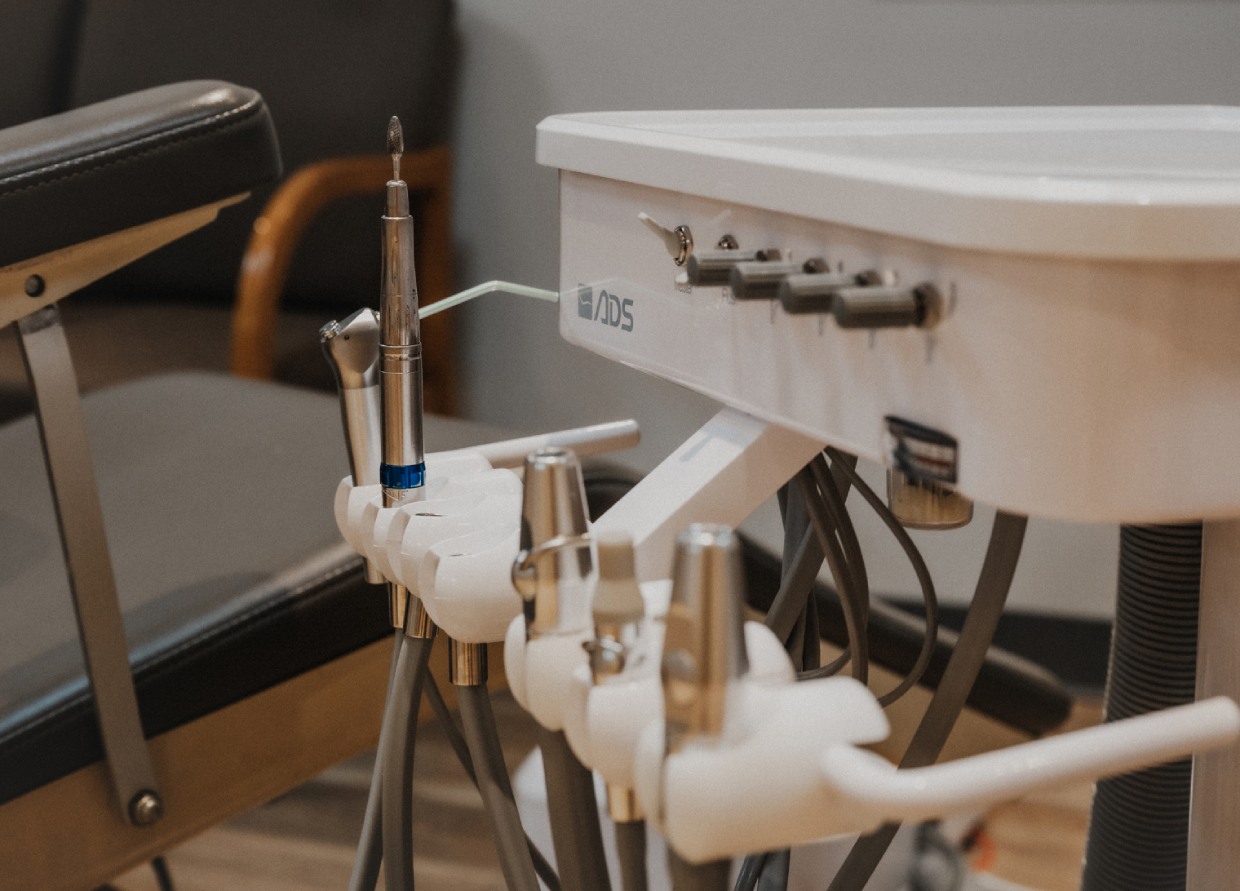
Your first orthodontist visit is an initial consultation where a specialist evaluates your teeth, jaw, and bite alignment to determine if treatment is right for you. This visit typically lasts 45-60 minutes and includes diagnostic records, a clinical exam, and treatment recommendations made for you. At orthodontic specialists practices, complimentary consults are often available so you can gather information without any commitment or pressure.
Parents bringing in a child for a first evaluation, teens ready to explore options, and adults curious about clear aligners all benefit from this kind of visit. It sets the foundation for your smile goals, and we're excited to walk you through exactly what happens so you feel prepared and confident from the very first hello.
What Is a First Orthodontist Appointment?
A first orthodontist visit is an information-gathering session where a specialist examines your bite, takes diagnostic images, and discusses whether treatment makes sense for your goals. Think of it as a friendly conversation backed by professional evaluation, not a commitment.
During this visit, an orthodontist (a specialist who completed dental school plus 2-3 additional years of residency in tooth movement and jaw alignment) reviews your oral health and discusses what's possible. You'll receive a clear picture of your current alignment, learn whether treatment is recommended, and explore options that fit your lifestyle.
For many people, this is also the first time they meet the team that could be supporting them for the next 12-24 months. That's why a good initial visit balances professional expertise with warmth. It's about building a relationship, not just selling treatment.
What to Expect at Your Initial Orthodontic Consultation: Step-by-Step Process
What Happens During Check-In?
When you arrive, the team greets you and helps you get settled. If you haven't already completed your new patient forms online, you'll fill out a brief health history and dental background questionnaire. This information helps your orthodontist understand your overall health, any medications you take, and your specific concerns about your smile.
Many practices offer digital intake forms you can complete from home before your visit. This saves time and lets you focus on the consultation itself.
What Imaging and Records Are Taken?
Next, the team captures diagnostic records of your teeth and jaw. This usually includes:
- Digital X-rays to see tooth roots, bone structure, and teeth that haven't erupted yet
- Photographs of your teeth, face, and profile from multiple angles
- 3D scans using state-of-the-art technology like the iTero scanner, which creates a detailed digital model of your teeth without messy impressions
These records give your orthodontist a complete picture of your current bite and help identify any underlying issues.
What Does the Clinical Exam Include?
Your orthodontist performs a thorough exam of your teeth, gums, bite, and jaw function. They check how your upper and lower teeth fit together when you bite down, look for crowding or spacing issues, and assess jaw alignment.
This hands-on evaluation takes about 10-15 minutes. Mention any discomfort you've noticed, like jaw clicking or difficulty chewing.
How Are Findings and Diagnosis Shared?
After the exam, your orthodontist reviews everything with you. Using your X-rays and 3D scans, they explain what they found and whether treatment would benefit you. They'll point out specific concerns, like an overbite, crossbite, or crowded teeth, and explain how these issues might affect your oral health over time.
This is your chance to ask questions. No question is too small.
What Treatment Options Will You See?
If treatment is recommended, your orthodontist presents options built around your needs, lifestyle, and goals. These might include:
- Traditional metal braces
- Clear braces
- Clear aligners
- Early intervention for younger patients
Each option comes with its own timeline, benefits, and considerations. Your orthodontist helps you understand which approach fits your situation best.
How Does the Financial Conversation Work?
Before you leave, a treatment coordinator reviews costs, insurance coverage, and payment options. Most orthodontic specialists practices offer low monthly payment options and flexible financing to make treatment accessible.
You won't be pressured to start that day. Take the information home, think it over, and schedule your next visit when you're ready.
Benefits of Scheduling a First Orthodontic Evaluation
Why schedule a consultation even if you're not sure you need treatment? Here's what you gain.
Why Does Early Detection Matter?
Catching bite issues, crowding, or jaw growth concerns early often means simpler treatment later. For kids, the American Association of Orthodontists recommends an evaluation by age 7, while jaw growth is still happening and small adjustments can prevent bigger interventions down the road. Even when treatment isn't needed right away, early monitoring builds a baseline that helps your orthodontist spot subtle changes over time.
What Will You Learn About Your Options?
A consultation shows you the full range of treatments. From braces to clear aligners, you'll learn which approaches match your goals, your daily routine, and your budget. You'll also leave knowing the estimated timeline, the investment involved, and what kind of results to expect. A board-certified orthodontist like Dr. Justin Silvestre, DMD, brings specialist insight that helps identify issues a general dentist might miss. Best of all, a good consultation is about education, not sales. Ask questions, take notes, and decide on your own timeline.
Orthodontist vs. Dentist: Who Should You See First?
| Criteria | Dentist | Orthodontist |
|---|---|---|
| Training | 4 years dental school | 4 years dental school + 2-3 years orthodontic residency |
| Focus | General oral health, cleanings, fillings, extractions | Teeth alignment, bite correction, jaw positioning |
| Referral needed? | N/A | No, you can self-refer directly |
| Treatment options | Basic aligners (in some offices) | Full set: braces, aligners, early intervention, surgical coordination |
Here's what surprises many people: you don't need a referral from your dentist to see an orthodontist. You can call and schedule directly.
Orthodontists complete an additional 2-3 years of specialty training beyond dental school, focusing exclusively on tooth movement and jaw alignment. Dr. Silvestre, DMD, and Dr. Gregory Gittleman, DMD, both completed this extra residency. While your dentist handles cavities, cleanings, and overall oral health, an orthodontist brings deeper expertise in straightening teeth and correcting bite issues.
According to the AAO, children should have their first orthodontic evaluation by age 7, even if their smile looks fine. Some issues are easier to address while a child is still growing.
How Much Does a First Orthodontist Appointment Cost?
A first orthodontist visit typically costs $0-$300, with many practices offering complimentary consultations that include diagnostic records and treatment recommendations. That means you can meet with a specialist, get imaging, and hear your options at no cost.
For practices that do charge, consultation fees typically range from $100-$300 based on industry averages . Some insurance plans cover diagnostic X-rays and records, so check your benefits beforehand.
During your visit, the OS fam receives a detailed treatment estimate. Most orthodontic offices offer:
- Low monthly payment options spread over the treatment period
- Insurance coordination and filing
- HSA and FSA acceptance
- Flexible financing options
Don't let cost concerns stop you from scheduling. The consultation itself is often free, and financial options exist to make treatment work for most budgets.
Who Should Schedule a First Orthodontic Appointment?
Not sure if it's time to see an orthodontist? Here's who benefits most from an evaluation.
Children Age 7 and Up
The AAO recommends kids see an orthodontist by age 7. At this age, enough permanent teeth have emerged to spot developing issues. Early evaluation doesn't always mean early treatment; sometimes we simply monitor growth until the timing is right.
Teens With Visible Concerns
Crowded teeth, gaps, overbites, or underbites are common reasons teens seek treatment. The teenage years are often ideal for braces or aligners because jaw growth is still occurring.
Adults Exploring Their Options
It's never too late for a confident smile. Adults increasingly choose clear aligners or discreet braces to improve their teeth without disrupting their professional appearance.
Anyone Experiencing Symptoms
Jaw pain, clicking, difficulty chewing, or speech issues can signal alignment concerns worth evaluating.
Those Considering Cosmetic Improvements
Even minor crowding or spacing affects how you feel about your smile. A consultation helps you understand what's possible.
Frequently Asked Questions
How long does the first orthodontist appointment take?
Most initial consultations last 45-60 minutes. This includes time for paperwork, diagnostic imaging, the clinical exam, treatment discussion, and financial review. Some visits run shorter if you complete forms online beforehand.
Do I need a referral to see an orthodontist?
No referral is necessary. You can schedule directly with an orthodontic practice anytime. While dentists sometimes recommend orthodontic evaluation, you don't need to wait for that recommendation.
Will I get braces on the first visit?
Typically, no. Your first visit focuses on evaluation and planning. If you decide to move forward, braces or aligners are usually placed at a separate appointment after you've had time to consider your options.
What should I bring to my first orthodontic consultation?
Bring your insurance card, a list of current medications, and any dental records or X-rays from your dentist if available. Also bring a list of questions or concerns you want to discuss.
Does insurance cover the first orthodontist visit?
Many practices offer complimentary consultations, making insurance coverage unnecessary for the visit itself. If your practice charges, some dental insurance plans cover diagnostic records and X-rays. Call your insurance provider to confirm your orthodontic benefits.
What age should kids see an orthodontist for the first time?
The American Association of Orthodontists recommends children have their first orthodontic evaluation by age 7. By this age, enough permanent teeth have come in to identify potential issues with bite, crowding, or jaw development.